
Wildlife Control Tips for Managing Nuisance Animals
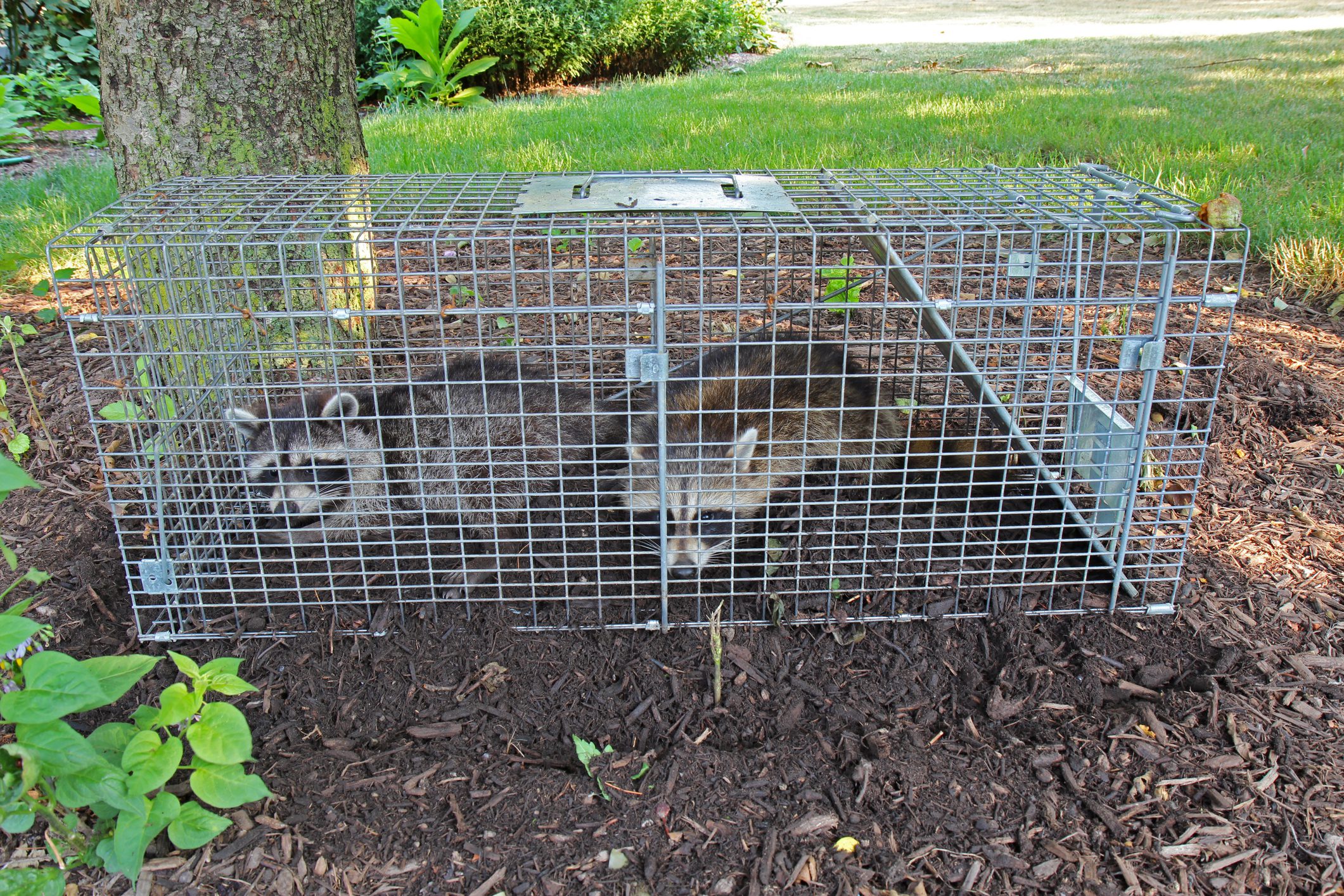
Unwanted wildlife activity around your home can quickly turn from a minor inconvenience into a serious problem. Animals such as bats, snakes, and skunks often seek shelter in attics, basements, and outdoor spaces, especially when they find easy access to food and protection. Understanding how to handle these situations properly can help protect your property, your health, and your peace of mind.
Early Warning Signs Around Your Property
One of the most important steps in wildlife control is early detection. Strange noises in the attic, unusual odors, or visible damage around your home can all be signs of animal activity. Bats, for example, are commonly heard at night, while skunks often leave behind strong odors that are difficult to ignore. Identifying these signs early allows for quicker action before the situation becomes more severe.
Prevention plays a key role in keeping wildlife away. Small openings in roofs, vents, and foundations can serve as entry points for animals. Sealing these gaps and maintaining your property can significantly reduce the chances of an infestation. Keeping trash secured, removing outdoor food sources, and trimming overgrown vegetation also make your property less attractive to unwanted critters.
Safe Handling and Long-Term Prevention
When dealing with wildlife, safety should always come first. Attempting to trap or remove animals without proper experience can be risky. Some animals may carry diseases, while others can become aggressive when threatened. Professional handling ensures that removal is done correctly and reduces the chances of injury or further property damage.
Odor control is another important aspect, especially after encounters with skunks. The smell can linger and spread if not treated properly. Surface cleaning alone is often not enough, as the odor can penetrate materials and remain for extended periods. Proper treatment methods are necessary to fully neutralize the smell and restore a comfortable environment.
Different types of wildlife require different approaches. Bats in the attic may need careful exclusion methods, while snakes require precise removal techniques to ensure safety. A one-size-fits-all approach does not work in wildlife control, which is why understanding the specific situation is so important. Each case should be handled based on the type of animal and the conditions of the property.
Another critical factor is addressing the root cause of the problem. Removing the animal is only part of the solution. If entry points remain open or attractants are not eliminated, the issue is likely to return. A complete approach includes identifying how the animal got in and taking steps to prevent future access.
Maintaining a clean and secure environment helps reduce the chances of repeated issues. Regular property inspections, especially in vulnerable areas like attics and crawl spaces, can make a significant difference. Being proactive not only protects your home but also saves time and money in the long run.
Wildlife control is about more than just removal. It is about restoring safety, preventing future problems, and ensuring your property remains a comfortable place to live. Taking the right steps early and relying on proper methods can make all the difference when dealing with nuisance animals.